


The relationship between the Tirzepatida surgery it deserves special attention because of the medicine, it may slow down the emptying of your stomach. For those who will be subjected to general anesthesia, sedation or deep, it may increase the possibility of yet there is content in the stomach, even after you have followed the guidelines of the traditional fast.
The problem is not in the Tirzepatida to interfere directly with the ref. The major concern is something else: during anesthesia or sedation, deep, food, or liquids are present in the stomach and are able to return to the esophagus and reach the lungs. This is called a vacuum in the lungs.
The Fda has already issued a warning about the risk involving drugs acting on the GLP-1, including the Tirzepatida.
At the same time, all the doctor's instructions have changed. The guidelines of the international's most recent't mean that all of the people, to stop these medications prior to elective procedures.
Today, factors such as the stage for an increase in the dose, and presence of nausea or vomiting, the dose used, and other conditions that slow gastric emptying, and the type of procedure that must be taken into account.
In this article, you are going to understand what's going on in my stomach, so the anesthesia is changing the risk, and it can only be a need for a liquid diet, when surgery cannot be postponed, and that it is not recommended to just stay the Tirzepatida on their own.
- Important: such content is solely for information. In the guidelines, prior to surgery, endoscopy, colonoscopy, or any procedure, use of anesthesia or sedation should be defined by the team that is responsible for the procedure.
For the Tirzepatida interfere with the emptying of the stomach?
The Tirzepatida mainly acts on the receptors for GIP and GLP-1.
Among their effects is a delay in gastric emptying.
This means that the contents of the stomach, it may take more time to follow in the direction of the well.
To this effect, take part, along with other mechanisms, to the feeling of being full, that many of people notice during the treatment period.
As part of your daily routine, it is not necessarily a problem.
The situation changes when there is either a general anaesthetic or sedation depth.
Why should we have food in your stomach is dangerous for the anesthesia?
When we are awake, a different flare to help protect the respiratory system.
During general anesthesia, or for certain levels of sedation, these mechanisms are the protectors are reduced.
The contents of the stomach to return to the doctor, and to get to the mouth, the throat, there is a possibility of entering the respiratory tract.
This process is referred to as pulmonary aspiration.
Aspiration may lead to lung inflammation, pneumonia and, in severe situations, respiratory complications are important.
It is precisely in order to reduce this risk, what are the rules of fasting prior to the procedures in anaesthesia.
What the Fda says about it?"
The Fda issued a warning specific to this involving the drug agonists of the GLP-1) and the procedures carried out under anesthesia or sedation depth.
Among the drugs mentioned are the Tirzepatida.
According to the Agency, as these drugs may increase the risk of aspiration pneumonia due to a delay in gastric emptying.
The concern is that they may remain in the food or other contents of the stomach, even when the patient reports having followed the guidelines in the pre-op.
Because of this, the person must report to a team that uses Tirzepatida prior to any procedure under anesthesia or sedation.
I use Tirzepatida you need to stop it before any type of surgery?
Don't have to be.
This is one of the points on which there was a significant change in the recommendations, in the last few years.
An orientation of the previous rather is disclosed suggested that we should discontinue the drugs on weekly class for approximately seven days prior to elective procedures.
Subsequently, a clinical guidance issued by different medical societies and has gone on to recommend a tailor-made approach.
In accordance with these guidelines, many patients with a low risk of gastric emptying is delayed you can still use their medications prior to an elective surgery.
Therefore, the present Tirzepatida surgery as a simple rule of thumb is to stop seven days in advance” is no longer appropriate in the current recommendations.
Why isn't there a rule that is the same all over the world?
Because the risk is the same for all people.
Some patients have few or no symptoms in children and the use of the same dose for a long time.
The others were just the start of treatment, have recently increased the dose, or you have nausea, vomiting, constipation, and a feeling of a full stomach.
In these conditions, it may present risks to be different.
In addition to this, discontinue the medicine, it can also bring the consequences of that.
For a person with type 2 diabetes, for example, to temporarily stop your treatment may adversely affect the glucose control.
For this reason, the decision-making needs to balance the risk of anesthesia, and for the benefit of the treatment.
The phase of the increase in the dose that deserves more attention
The length scale is the one at which the dose is being increased over time.
It is common for it to happen within the first weeks or months of treatment.
At this stage, gastro-intestinal symptoms may be more frequent, and the effect on the emptying of the stomach, it may be more relevant to you.
The orientation of multissocietária do you think this is phase one of the factors that may increase your risk prior to surgery.
In some cases, an elective procedure can be postponed until the stage of scaling has ended, and in the gastro-intestinal symptoms have disappeared.
This does not mean to cancel the entire procedure is only because people have started Tirzepatida.
The assessment of the individual.
Gastro-intestinal symptoms prior to surgery is important
Please inform the team if you are experiencing symptoms such as:
- nausea
- vomiting;
- intense feeling of a full stomach;
- abdominal distention;
- abdominal pain;
- constipation is important.
These symptoms may suggest that the emptying of the stomach is slower.
The current recommendation considers that the symptoms of the gastro-intestinal assets is an important factor in the decision to continue or to postpone an elective procedure.
One should not hide their symptoms for fear of having surgery can be delayed.
The information will help the anesthesiologist to choose from, the most secure.
Higher Doses may change the risk?
Higher Doses may be associated with an increased frequency of gastrointestinal side effects in some people.
For this reason, the dose, the current can also enter the pre-operative evaluation.
This does not mean that every patient with a high dose may have to suspend the Tirzepatida.
The trader believes the dosage, symptoms, stage, treatment, and other factors all together.
This analysis is especially important when we talk about Tirzepatida surgery.
A liquid diet may be recommended?
Yes.
One of the strategies that are suggested for those considered the most at risk is the use of a liquid diet for about 24-hours before the procedure..
The orientation of multissocietária describes this strategy as a way to cut down on the amount of the solid content in the stomach, but not necessarily the need to stop the medicine.
The team should be to tell you exactly what you can and can't eat.
Don't make up a protocol of fasting on their own.
The rules depend on the type of surgery, anesthesiology and clinical condition.
Do a liquid diet means you can have up to the time of the surgery.
No.
Liquid diet and fasting, anesthesia, are different concepts.
A team can guide you on a liquid diet for a certain period, and then set a specific time to and from the which in certain liquids can be ingested.
The American Society of Anesthesiologists says that, in some protocols, clear liquids may be allowed for part of the period prior to the procedure, and they need to be stopped at a later date.
The guidance is received directly by the staff of the procedure, you should always take precedence.
That is, the cleaner the stomach?
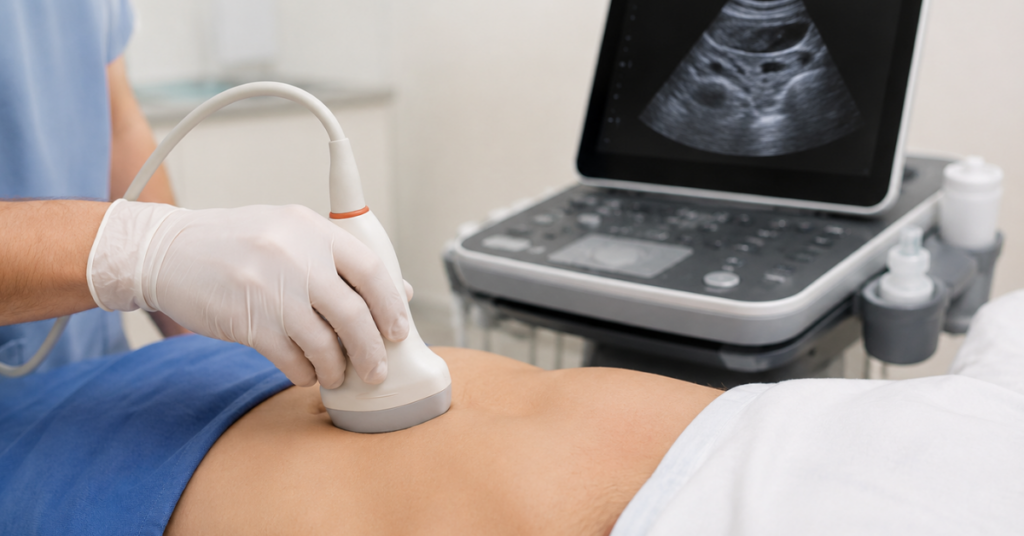
In a certain hospital, the anesthesiologist may use an ultrasound of the stomach just before the procedure.
Of the exam, it can help you to see how there is still a considerable amount in the stomach.
This can be especially helpful when there is any doubt about the risk of aspiration.
And if the stomach, it will appear to be full, so the team can consider the strategies of the special anesthetic, or even to delay the procedure, depending on the situation.
The ultrasound is not routinely performed in all of the people who use it Tirzepatida.
It is used depends on the availability and experience of the team and an individual assessment.
What it means to treat someone as a “full stomach”?
When there is a possibility that the relevant contents of the stomach, a team-based, can use the techniques that are intended to reduce the risk of aspiration.
This is a set of care is commonly referred to as precautions for food.
The way in which the surgery is performed can be changed.
This is a decision that belongs to the anesthesiologist.
It does not necessarily mean that there was some trouble. It is a prevention strategy that is used when there is more suspicious of the contents of your stomach.
And, if that is the surgery for an emergency?
Emergencies are no different from elective procedures.
There is not always time, to discontinue drugs, to modify the power on or wait for days.
When the surgery is urgent, the team could think of the patient as well as someone to potentially full stomach, and use the strategies of anesthesia that are compatible with it.
Even in an emergency, if you are aware of, inform you that you use Tirzepatida, and let him know when it was done, the final application.
This information may be important for planning the anesthetic.
Upper endoscopy, also deserves attention.
Yes.
Endoscopic procedures often involves sedation or anesthesia.
For this reason, the use of Tirzepatida you need to be informed before you in a digestive endoscopy.
In this type of procedure, there is an additional concern because of the health care provider will look exactly in the upper gastrointestinal tract.
The presence of the unexpected, of the food in your stomach can make it difficult or preventing the proper conduct of the examination.
In some cases, the procedure may need to be discontinued, or rescheduled for another date.
And a colonoscopy?
A colonoscopy involves, mainly, the large intestine, but more often than not it is done with the procedure.
For this reason, the information about the Tirzepatida also needs to be given to the team.
In addition, in the preparation of the bowel is already involves major changes in the supply and use of drugs laxativos.
People who use Tirzepatida does not need to be modified by the protocol of the preparation is prescribed to you for a colonoscopy.
The team can modify the plan if it deems it necessary.
Sedation dentistry can also account?
You can count on.
Dental procedures are more complex you can use sedation to deep, or general anesthesia.
The risk in relation to the contents of the stomach does not depend on the surgery to be performed in a hospital or in a dental office.
The important factor is the level of sedation or anesthesia is used.
So, tell your dentist and the professionals who are responsible for the procedure, which uses a Tirzepatida.
Local anesthesia has the same risk?
The central issue that is described in the alert wraps general anesthesia and sedation depththere are situations in which the reflections in the protectors of the respiratory tract has been compromised.
A procedure is done under local anesthesia, the person is fully awake, it's a different situation.
Even so, list all of the medications that are used prior to any procedure.
The team may choose to evaluate the other factors in addition to the delivery.
Can I just jump off of a app prior to the surgery.
Don't do it without guidance.
The Tirzepatida has a long duration of action and is administered on a weekly basis.
In addition to this, you simply miss out on a dose, does not guarantee that the effect on gastric emptying but disappears right away.
The personal information regulations recognize that there are still limitations in the data used to determine if you pause briefly, the drug effectively reduces the risk of aspiration.
For this reason, the approach of the Tirzepatida surgery it needs to be discussed with the team who is familiar with the procedure, and the clinical condition of the individual.
And that the recommendation to suspend the seven-day?
It was the first of the previous guidelines are used as a measure of caution in the face of the limited amount of evidence available at the time.
For medicinal products of one week, the initial recommendation of the American Society of Anesthesiologists I would suggest you consider the suspension of the week before.
In 2024, with a direction issued by several medical associations began to be recommended for a more individual approach, and said that for patients without a high risk that they may, in most cases, to continue with the treatment.
Because of this, you will also find hospitals and health professionals, using different protocols.
This does not necessarily mean that one of them is “wrong”.
The evidence in this area is still evolving, and each institution shall have the protocols themselves.
So, should I take what is the guidance?
With the guidance of a team that is responsible for the surgery.
The anesthesiologist needs to know:
- what is the drug you are using;
- what is the dose;
- when was the last time the application;
- if you has recently increased with the dose;
- if you have symptoms of the gastro-intestinal;
- if you have diabetes
- what other medicines you use.
With that information, the team can decide if a treatment is to be held, even if only temporarily interrupted, or if you will need additional care.
Don't decide based on the video on the social network, or on the instructions of another person, who had a surgery that is different.
When I have to warn you that the use of Tirzepatida?
The ideal place is to let you know in advance, during the pre-operative evaluation.
Don't expect to be in the operating room.
If the procedure has been scheduled, it is to inform to the doctor, and the staff of the anesthesia as soon as possible.
If there is a guidance for a change in diet, change in the application or to adjust other medications, there is plenty of time to arrange for the procedure.
Bring a list of your medicines might also help you.
I have to say that the use of Mounjaro even if it's just for the weight loss?
Yes.
It is the reason why the drug is used, it does not eliminate the effect on the stomach.
A person Tirzepatida to obesity, it may be of the same type as that of the delay in gastric emptying that one person is using the drug in the context of diabetes.
For this reason, say the name of the drug and frequency of use.
What happens if I do not warn you?
The team believes that the fast habitual, it was good enough when in reality, there may be a greater likelihood that the contents of the stomach remains.
This limits the ability of the anesthesiologist to take preventive measures.
The aim of the report is not to make sure that your surgery will be cancelled automatically.
This is to allow the team to assess the risk properly.
Those who have diabetes are in need of additional care when lifting?
Yes.
For a person with type 2 diabetes, the Tirzepatida can meaningfully participate in the control of blood glucose levels.
If the product is broken, then the glucose can move up.
In the period around an operation already, you can alter the blood glucose due to the fast, physiological stress, medications, and changes in the power supply.
For this reason, if a decision is taken to suspend the Tirzepatida, it may be necessary to plan how your blood sugar levels will be monitored and controlled.
This is one of the reasons that the current recommendations will try to avoid the suspension anyway.
Obesity also has an impact on the risk of the anaesthetic?
You can.
Obesity is linked to many different factors, which can make planning the anesthetic can be more complex, including changes in breathing, obstructive sleep apnea, and increased risk of certain complications.
This means that he does not judge you only on the medicine.
Planning is considered a state of complete health.
Discussion Tirzepatida surgery it is part of the review, but that's not the only one.
Sleep apnea, you need to be informed?
Yes.
People with obstructive sleep apnea may be at particular risk for respiratory complications related to sedation and anesthesia.
If you use a GENERATOR, it is also.
In some cases, staff may request that the unit be brought to a local hospital.
This is true regardless of whether you use the Tirzepatida.
What information do I need to bring to the consultation, pre-op?
It may be helpful to know:
- name of the medicinal product;
- the dose of current;
- the day of the week in which it applies;
- last date of application;
- how long have you used;
- when was the last to increase the dose;
- the presence of nausea, vomiting, or constipation;
- the other drugs used.
- the presence of diabetes.
This information will help you turn a generic rule in the evaluation of the individual.
When surgery cannot be postponed?
In elective procedures, as the team can consider the postponement as soon as the risk of stomach contents is considered to be very high.
This may be the case, for example, in the face of the gastro-intestinal symptoms, important, or during an early stage of escalation is associated with the symptoms.
It can also occur in the preoperative evaluation indicates that the stomach is not properly empty.
The decision depends on the urgency of the surgery, and the balance between risks and benefits.
I need to be afraid of the surgery, using Tirzepatida?
No.
The risk is there, and it deserves to be well known, but it is the goal of the protocol is just to allow the team to take the necessary measures to try to reduce it.
Lots of people are using the drug are related to the GLP-1 that passes through painkillers every day.
The biggest problem is when the team is unaware that the drug is being used, or when the guidelines in the pre-operative complications are not observed.
Information and planning are the key tools for security.
Frequently asked questions
I need to stop Tirzepatida seven days before the day of surgery?
There is currently no universal rule that applies to all patients. Guidelines for multissocietárias later allow too many low-risk patients to continue the treatment. The decision should be individualized.
Why Tirzepatida may increase your risk for anesthesia?
Because it can slow down the emptying of your stomach. The content of gastric residual may increase the risk of regurgitation and aspiration during general anesthesia or sedation depth.
I can do the surgery for the increase of the dose?
It may be necessary to assess the risk with the greatest of care. At the stage of escalation is associated with a higher likelihood of gastric emptying is delayed, especially when there are no symptoms at all.
I need to do a liquid diet?
Some of the patients at greatest risk could receive from him guidance to make liquid diet for at least 24 hours prior to the procedure. This should be a given for the team.
Endoscopy will also require careful!
Yes. The procedures with sedation or anesthesia, they may also present a risk in relation to the contents of the stomach.
Colonoscopy can also account?
Yes, it's mainly because they tend to use projection. Please inform the staff that you use Tirzepatida, and always adhere to the protocol of the preparation is provided.
Can I suspend myself on a app?
It is not recommended. The decision must consider the risk of anesthesia, and the reason for the use in people with diabetes, glucose control.
What should I do if my surgery is tomorrow and I have told you to use Tirzepatida?
Please contact your service coordinator and inform them of the medication, dosage, and the date of the last application. Don't hide information, or to change yourself for the treatment.
Conclusion
The relationship between the Tirzepatida surgery it has grown in importance because of the medicine, it may delay gastric emptying, and increase the likelihood of content to stay in the stomach prior to a general anaesthetic or sedation depth.
In this content, you can return to the esophagus and reach the lungs, causing aspiration.
For this reason, the Fda warns that people who use drugs, as Tirzepatida need to tell the health professionals prior to procedures that involve anesthesia or sedation.
At the same time, the current recommendations do not mean that all the people stop and automatically Tirzepatida one week prior to the surgery.
One direction multissocietária it is recommended to evaluate such factors as the stage of the escalation, dose, gastrointestinal symptoms, and other conditions that slow gastric emptying.
Many low-risk patients could continue the treatment.
For people at higher risk strategies, you can include a liquid diet for 24 hours, and assessment of the contents of the stomach through the ultrasonic cleaner, the modification of the technique, or the postponement of the procedure.
The point is that Tirzepatida surgery they should not be treated as a rule to be found on the internet.
Notify you in advance of the surgeon and the anesthesiologist, and then follow the specific guidelines of the fast and non-stop, or change the drugs on their own.
References
Kindel TL, et al. The Multi-society for clinical practice guidance for the safe use of the glucagon-like peptide-1 receptor agonists in the perioperative period.
The U. S. Food and Drug Administration (FDA). Prescribing information and safety information regarding GLP-1 receptor agonists, and pulmonary aspiration.
Content is up-to-date in August, 2026.
Read On To Find Out
Nausea, with tirzepatida: is it normal?
Tirzepatida the cause of indigestion? To understand the onset of discomfort after eating
Tirzepatida gives you diarrhea? Find out why it happens and what to do